

Modern film-making looks very different from the way it did even a decade ago. Productions are no longer centered in one studio or confined to a single city. Instead, projects are spread across multiple countries to take advantage of tax incentives, specialized talent, and regional production resources. At the same time, post-production teams frequently operate from different cities or even continents, with editors, directors, producers, visual effects artists, and executives collaborating remotely across several time zones.
Despite this shift toward distributed production, one thing remains unchanged: everyone involved still needs to review the same footage, exchange creative ideas, and make critical decisions together. Traditional collaboration methods weren’t designed for this level of remote creative work, which is why many studios are investing in purpose-built video production collaboration platforms.
Reasons many modern movie studios are using video production collaboration platforms
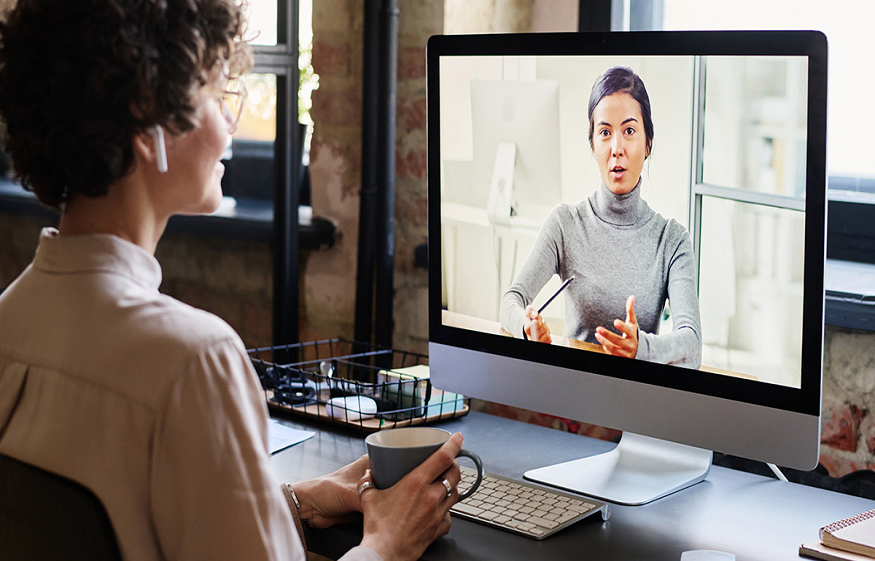
When remote workflows first became common, many production teams relied on standard video conferencing and screen-sharing software. While these solutions work well for everyday meetings, they often struggle to meet the technical and creative demands of professional film-making.
Read More: The Growing Role of VR Tactical Training Simulators in Modern
Video conferencing platforms typically compress footage, reducing color accuracy and image fidelity. For cinematographers, directors, and colorists who need to evaluate every visual detail, even slight changes in color or contrast can lead to incorrect creative decisions. Audio synchronization can also become inconsistent during screen sharing, making it difficult to accurately assess dialogue, sound effects, or music cues. Equally challenging is the way feedback gets managed. Comments are often scattered across chat windows, emails, and meeting notes instead of remaining connected to the exact scene or frame being discussed. Once the meeting ends, valuable conversations frequently disappear unless someone manually documents every decision. This fragmented workflow creates confusion, slows approvals, and increases the risk of costly revisions later in the production process.
As film and television production continue to expand across international locations and remote teams become the norm, studios need collaboration tools built specifically for creative workflows rather than general business meetings.
Dedicated video production collaboration platforms help keep everyone, right from directors and editors to producers, visual effects teams, and executives working from the same source material with consistent quality and shared context. By preserving visual fidelity, organizing feedback, and maintaining a clear record of creative decisions, these platforms make it easier for distributed teams to produce high-quality content efficiently, regardless of where they are located.
Read More: The Role of Warehouse Trolleys in Modern Logistics Efficiency
The capabilities of modern video production collaboration platforms extend well beyond day-to-day film-making and editing workflows. Many studios are now using these platforms to host a wide range of professional events, including virtual film premieres, exclusive media screenings, press previews, investor presentations, distributor meetings, client showcases, and partner demonstrations. Instead of relying on traditional conferencing software that often compromises video quality, these platforms deliver broadcast-grade streaming that preserves the visual and audio fidelity expected in the entertainment industry. Studios can also customize the viewing experience with branded interfaces, personalized invitations, secure access controls, and curated presentation layouts that reflect their identity.