

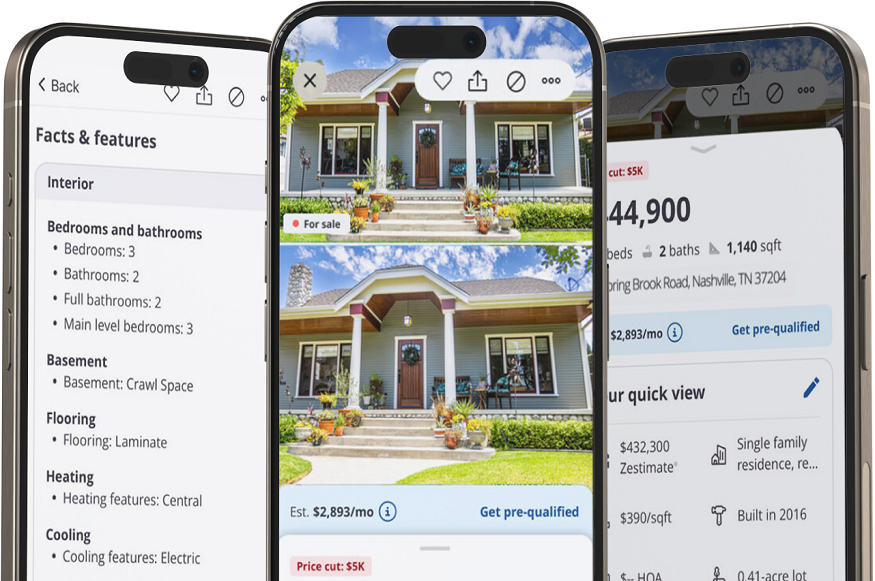
The digital transformation of the real estate industry has reshaped how buyers, sellers, renters, and agents interact with property markets. Online listing platforms have become the first touchpoint for property discovery, price comparison, and lead generation. Inspired by the success of platforms like Zillow, many entrepreneurs and property-focused enterprises are investing in zillow clone app development to create scalable, data-driven, and user-friendly real estate platforms tailored to modern market demands.
This article explains the complete journey of building a Zillow-style platform, from concept validation to post-launch growth, with a focus on features, technology, costs, and long-term scalability for modern real estate brands.
Understanding the Concept of a Zillow-Style Real Estate Platform
A Zillow clone app is a comprehensive digital marketplace that aggregates property listings and enhances them with data intelligence, location insights, and user-centric tools. Unlike basic listing portals, these platforms focus on discovery, transparency, and engagement.
At its core, a Zillow-inspired solution enables users to search properties using advanced filters, explore neighborhoods, estimate property values, connect with agents, and track market trends. For businesses, the platform acts as a lead-generation engine and a data asset that supports monetization through subscriptions, advertising, and premium services.
Why Modern Real Estate Brands Are Choosing Zillow Clone App Development
The demand for digital-first real estate experiences continues to grow due to changing buyer behavior and increased mobile adoption. Modern brands choose zillow clone app development for several strategic reasons.
First, it reduces dependency on third-party marketplaces by allowing brands to own their user data and customer journey. Second, it supports hyperlocal expansion by enabling customized listings, pricing models, and compliance with regional property regulations. Third, it creates multiple revenue channels that go beyond traditional brokerage commissions.
For startups and established players alike, a Zillow clone app provides a competitive edge by combining technology, data, and branding into a single platform.
Core Features Required in a Zillow Clone App
Property Discovery and Advanced Search Capabilities
A powerful search engine is the foundation of any real estate platform. Users should be able to filter properties by location, price range, property type, amenities, size, and availability status. Map-based search with zoom and draw tools enhances usability and helps users explore neighborhoods visually.
Search performance must remain fast even with large datasets, making indexing and caching essential from the early development stage.
Detailed Property Listings and Media Management
Each property listing should include high-quality images, videos, floor plans, and comprehensive descriptions. Supporting multiple media formats increases engagement and builds trust among potential buyers or renters.
The platform should also allow agents and property owners to manage listings easily through a dedicated dashboard, reducing operational friction.
Property Value Estimation and Market Insights
One of the most influential elements of a Zillow clone app is data-driven property valuation. By analyzing historical sales data, location trends, and comparable listings, the platform can provide estimated property values and rental yields.
These insights position the app as an authority in the market and encourage users to return frequently for updates and research.
User Accounts, Saved Searches, and Alerts
Personalization improves retention. Registered users should be able to save favorite properties, store searches, and receive alerts when new listings match their criteria. This functionality supports long-term engagement and increases the likelihood of conversions.
Agent Profiles and Lead Management
A successful real estate marketplace connects users with professionals. Agent profiles should highlight experience, reviews, active listings, and contact options. Integrated lead management tools help agents track inquiries and respond efficiently, improving overall platform credibility.
Technology Stack for Building a Scalable Zillow Clone App
Frontend and User Experience Layer
Modern Zillow-style platforms rely on responsive and intuitive interfaces. Frameworks like React, Vue, or Flutter are commonly used to ensure consistent experiences across web and mobile applications.
User experience design must prioritize simplicity, fast navigation, and accessibility, especially for first-time users unfamiliar with real estate terminology.
Backend Infrastructure and Databases
The backend must handle large volumes of listings, user interactions, and analytics. Technologies such as Node.js, Python, or Java combined with scalable databases like PostgreSQL or MongoDB are widely adopted.
Cloud infrastructure plays a critical role in supporting growth, ensuring uptime, and managing peak traffic during high-demand periods.
Data Analytics, AI, and Integrations
Advanced Zillow clone app development often incorporates AI-driven recommendation engines, predictive analytics, and machine learning models for price estimation. Integration with third-party services such as mapping APIs, payment gateways, and CRM systems further enhances platform functionality.
Role of a Real Estate Development Company in the Process
Choosing the right real estate development company is crucial for transforming an idea into a production-ready platform. An experienced development partner brings industry knowledge, technical expertise, and strategic guidance.
Such companies assist with requirement analysis, UX/UI design, architecture planning, compliance considerations, and post-launch support. Their experience helps avoid common pitfalls such as scalability bottlenecks, poor data modeling, and inadequate security measures.
For long-term success, collaboration with a development partner should focus not only on launch but also on continuous improvement and feature expansion.
Cost Factors Involved in Zillow Clone App Development
The cost of building a Zillow clone app varies widely depending on scope and complexity. A basic platform with essential listing and search features may require a moderate investment, while advanced solutions with AI-powered valuations, analytics dashboards, and multi-region support demand higher budgets.
Key cost drivers include feature depth, platform type (web, mobile, or both), third-party integrations, data processing requirements, and ongoing maintenance. Planning a phased development approach helps manage costs while allowing room for future enhancements.
Launch Strategy and Post-Launch Growth Planning
Launching a real estate platform is not the final step. A successful go-to-market strategy includes beta testing, performance optimization, and targeted marketing campaigns to attract early users.
Post-launch, continuous monitoring of user behavior, feedback, and analytics informs feature updates and UX improvements. Over time, adding premium tools, localized content, and partnerships strengthens the platform’s market position.
Conclusion
Building a Zillow-inspired platform is a strategic investment for modern real estate brands seeking digital ownership and long-term scalability. From defining the concept to collaborating with a capable real estate development company, every phase of zillow clone app development requires careful planning and execution. When designed with user needs, data intelligence, and future growth in mind, a Zillow clone app can evolve into a powerful marketplace that drives engagement, trust, and sustainable revenue.
FAQs
What is a Zillow clone app and who should invest in it?
A Zillow clone app is a digital real estate marketplace that offers property listings, market insights, and agent connections. It is ideal for real estate startups, brokers, property aggregators, and enterprises looking to build their own branded platform.
How long does Zillow clone app development usually take?
Development timelines vary based on complexity, but a standard Zillow clone app can take several months from planning to launch. Advanced features and integrations may extend the timeline.
Can a Zillow clone app support multiple cities or countries?
Yes, with proper architecture and localization support, a Zillow clone app can scale across regions, supporting different currencies, languages, and property regulations.
How does a real estate development company add value to the project?
A specialized real estate development company provides domain expertise, ensures scalable architecture, and helps align technical solutions with business goals, reducing risk and time to market.
Is it possible to add AI-based property valuation later?
Yes, AI and analytics features can be introduced in later development phases as more data becomes available, making it easier to refine property value estimation and recommendations over time.